
Asphalt Paving vs. Concrete: Choosing the Right Surface
People searching for asphalt paving can find local contractors who can help choose and install the best surface for durability and performance.
Choosing the right surface for a driveway, parking lot, or other paved area involves understanding the differences between asphalt paving and concrete. Property owners in the area often explore this topic to make informed decisions that suit their specific needs, whether it’s durability, appearance, or maintenance considerations. This guide aims to clarify key factors that can influence the choice, helping readers weigh the benefits and drawbacks of each option. Local contractors specializing in asphalt paving can assist with expert insights and quality installation, ensuring the surface chosen aligns with the property’s requirements and long-term goals.
Understanding the practical aspects of asphalt paving versus concrete can save time, money, and future headaches. For example, asphalt tends to be more flexible and easier to repair, making it a popular choice for those seeking a cost-effective, quick-to-install solution. Concrete, on the other hand, offers a longer lifespan and a different aesthetic appeal, which might be preferable for certain applications. Property owners who want to explore these options further can find local service providers equipped to help evaluate their project needs and recommend the best surface type for their property. Keep reading to discover which choice might be right for your property’s specific conditions and goals.
- Driveway installation - homeowners considering asphalt paving vs. concrete for their driveway can rely on local contractors to evaluate durability and maintenance needs.
- Parking lot paving - businesses needing a durable surface for parking areas often work with local pros to determine whether asphalt or concrete best suits traffic demands.
- Pathway and sidewalk paving - property owners seeking smooth, long-lasting walkways can consult local service providers to choose the appropriate material.
- Commercial paving projects - commercial clients exploring asphalt paving vs. concrete for large-scale surfaces can depend on local contractors to recommend the optimal choice.
- Repaving and resurfacing - those updating existing surfaces can contact local pros to assess whether asphalt or concrete offers better longevity and performance.
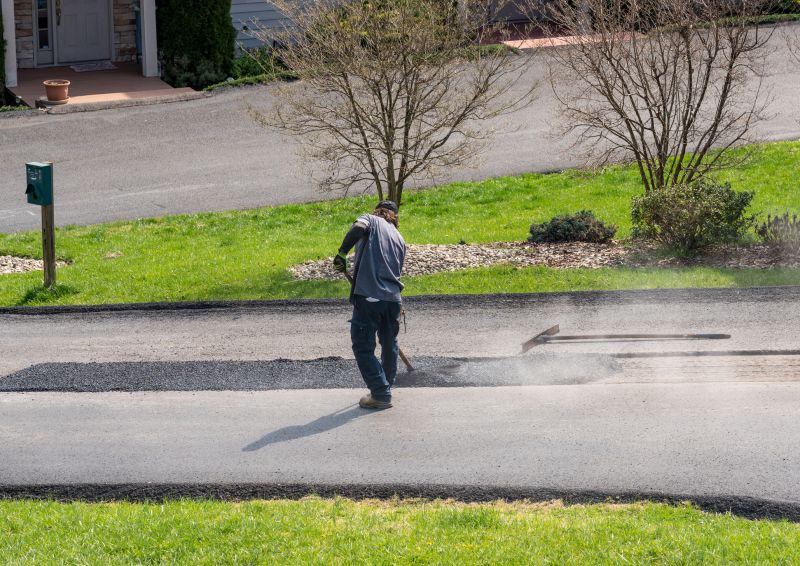
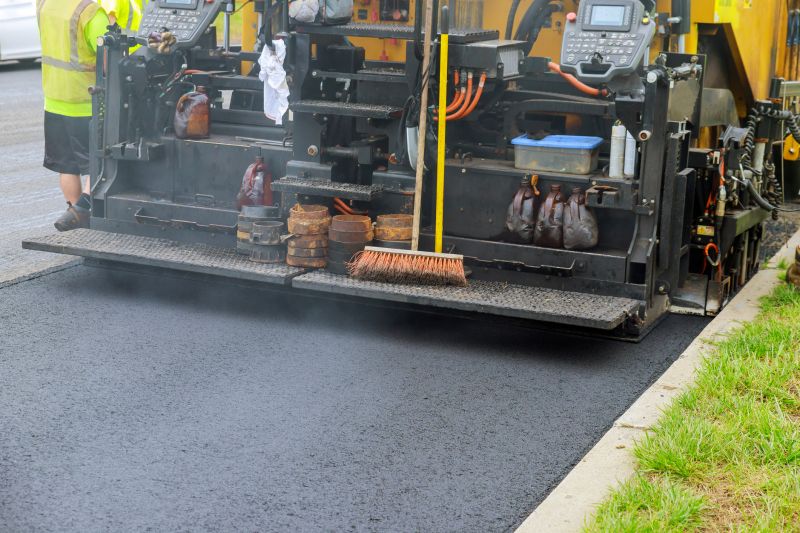
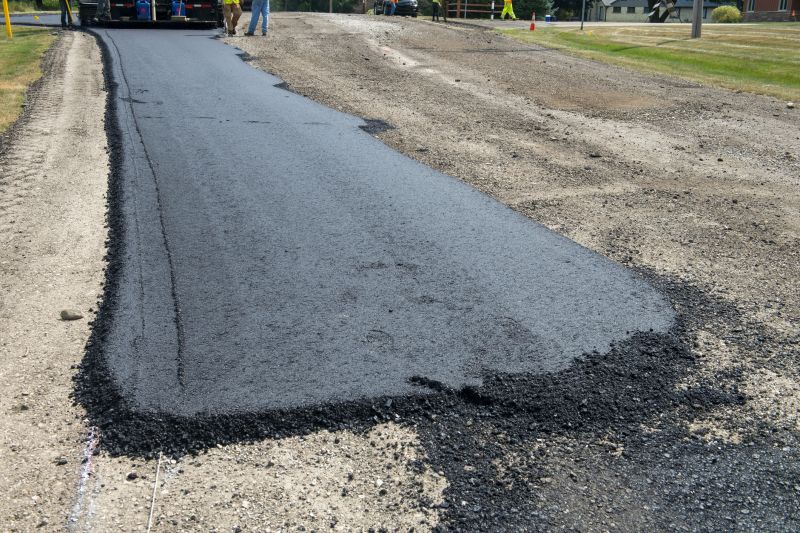
When searching for information about asphalt paving vs. concrete: choosing the right surface, homeowners often want to understand the fundamental differences between these two popular options for driveways, walkways, and other outdoor surfaces. Many are exploring which material will best meet their needs based on durability, appearance, and maintenance requirements. This topic is commonly linked to plans for installing or replacing existing surfaces, expanding parking areas, or improving curb appeal. Homeowners typically seek guidance on how each material performs over time and how it aligns with their property's specific conditions, such as climate, soil type, and usage patterns.
This comparison is relevant to a variety of property types, including residential homes, small commercial buildings, and community spaces. For homeowners, the decision often involves considering the longevity of the surface, resistance to cracking or potholes, and how well each material withstands weather changes. For commercial property owners, factors like load-bearing capacity and ease of maintenance come into play. Many property owners also think about the aesthetic appeal of their outdoor surfaces and how the choice of material can complement their property's overall look. Local contractors who specialize in asphalt paving or concrete services can help evaluate these factors and recommend the best solution for each specific project.
Problems that lead homeowners and property managers to explore asphalt paving vs. concrete: choosing the right surface often involve existing issues such as cracking, unevenness, or deterioration of current surfaces. Some may have experienced recurring repairs or want to prevent future problems by selecting a more suitable material initially. Others may be planning new installations to accommodate increased vehicle traffic or improve accessibility. Understanding the differences between asphalt and concrete helps property owners make informed decisions that align with their long-term goals, whether that means prioritizing cost-effectiveness, durability, or appearance.
For many, the decision also depends on the property's location and the type of use it will see. Residential driveways are often built with asphalt for its affordability and quick installation, while concrete might be chosen for its aesthetic appeal and strength in areas with heavy loads. Commercial parking lots or pathways in high-traffic areas may require more durable surfaces that can handle constant use. Local service providers specializing in asphalt paving and concrete work are valuable resources for evaluating these factors and providing tailored solutions. They can assess the specific needs of each property, helping homeowners and property managers select the surface material that best suits their project, environment, and long-term plans.
Paving Driveways - local contractors skilled in driveway paving can help homeowners choose between asphalt and concrete based on durability, appearance, and maintenance needs.
Parking Lot Construction - experts in parking lot projects understand how to select the best surface material to handle traffic volume and weather conditions.
Sidewalk Installation - local service providers can advise on the most suitable material for sidewalks, balancing cost, longevity, and safety considerations.
Patio and Outdoor Surface Projects - professionals experienced in outdoor surface work can assist in selecting the right material for aesthetic appeal and functional use.
Roadway Repaving - paving specialists can evaluate existing surfaces and recommend asphalt or concrete options for long-term performance.
Sports Court Construction - contractors familiar with sports surfaces can guide choices between asphalt and concrete based on usage and maintenance factors.
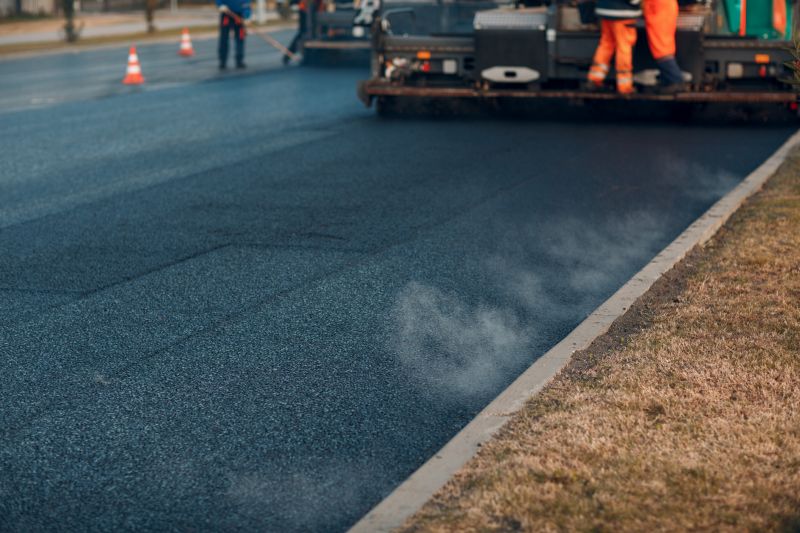
When evaluating asphalt paving versus concrete for a home project, it is essential to consider the experience of local contractors with similar types of work. Homeowners should look for service providers who have a proven track record of completing projects comparable in size and scope, ensuring they are familiar with the specific requirements and challenges associated with each surface type. Asking for references or examples of past work can provide valuable insight into a contractor’s expertise and reliability, helping to determine if they have successfully handled projects like driveways, walkways, or patios using asphalt or concrete materials.
Clear and detailed written expectations are crucial when comparing local contractors for asphalt paving services. Homeowners should seek proposals that outline the scope of work, materials to be used, and the projected process from start to finish. This transparency helps prevent misunderstandings and ensures that both parties are aligned on the project goals. Service providers who can articulate their approach and provide comprehensive documentation demonstrate professionalism and a commitment to clear communication, which is vital for a smooth project experience.
Effective communication and reputable references are key factors in selecting the right contractor for asphalt paving or concrete work. Homeowners are encouraged to inquire about how contractors handle questions and updates throughout the project. Contractors with a reputation for responsiveness and transparency tend to foster trust and facilitate a more collaborative process. Additionally, checking references or reviews can reveal insights into a contractor’s reliability, quality of work, and ability to meet expectations. Prioritizing these qualities helps ensure that the chosen service provider will deliver a successful outcome tailored to the homeowner’s needs.
Property owners often search for asphalt paving vs. concrete: choosing the right surface when they are planning practical projects around their homes and businesses. Local pros provide Asphalt Paving services for everyday jobs and straightforward project options.
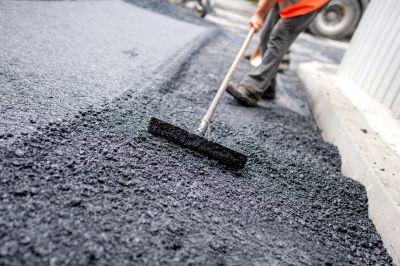
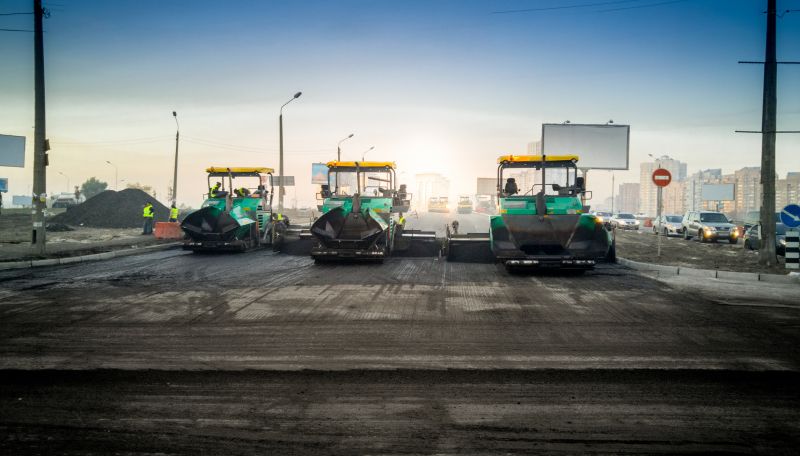
When considering surface options for driveways, parking areas, or walkways, property owners often weigh the benefits of asphalt paving versus concrete. Asphalt tends to be favored for its quick installation and smooth finish, making it a popular choice for those seeking a durable surface that can handle frequent vehicle traffic. On the other hand, concrete offers a longer-lasting, low-maintenance option that can withstand heavy loads over time. Local contractors can provide insights into which material best suits the specific needs of a property, whether it's for a residential driveway or a commercial parking lot.
Property owners in the area looking into asphalt paving services often consider factors like climate, intended use, and budget when choosing between asphalt and concrete. Asphalt paving services from local service providers can help determine the most practical surface based on these considerations, ensuring a long-lasting and functional result. Whether the goal is a quick, cost-effective solution or a more permanent surface, local contractors can assist in making an informed decision that aligns with the property's requirements and future plans.
What are the main differences between asphalt paving and concrete surfaces? Asphalt paving typically offers quicker installation and easier repairs, while concrete tends to be more durable and longer-lasting. Local contractors can help determine which material suits specific needs and conditions.
How does climate influence the choice between asphalt paving and concrete? Climate can affect how each surface performs; for example, asphalt may soften in high temperatures, whereas concrete can crack in cold weather. Local service providers can advise on the best option based on local weather patterns.
Which surface requires more maintenance over time? Asphalt generally requires more frequent sealing and repairs, while concrete usually needs less ongoing maintenance. Local pros can provide guidance on maintenance needs for each surface type.
Are there differences in installation time between asphalt paving and concrete? Asphalt paving usually has a shorter installation process, allowing for quicker completion, whereas concrete may take longer to cure. Local contractors can explain typical timelines for each surface.
Can asphalt paving or concrete be customized for specific uses? Yes, both surfaces can be customized with features like decorative finishes or specific textures. Local service providers can help explore options to match the desired functionality and appearance.
Durability considerations - Property owners can evaluate the expected traffic and weather conditions to decide whether asphalt paving or concrete will withstand daily use and environmental factors.
Maintenance planning - Planning for routine upkeep, such as sealing asphalt or repairing cracks in concrete, helps property owners choose a surface that aligns with their maintenance preferences.
Aesthetic preferences - Choosing between asphalt paving and concrete can be based on desired appearance, with local contractors able to help achieve the preferred style for driveways or walkways.
Project scope and usage - Property owners should consider the size and purpose of the project to determine which surface type offers the best long-term performance for their needs.
If you are thinking about asphalt paving vs. concrete: choosing the right surface for a property, this guide is meant to help you understand this topic, the typical project types, and how different options might fit your plans.
When you are ready, you can use the quote form on this page to share a few details about your project. From there, local pros can review the basics and follow up with options that match what you have in mind.